What Is Shola? The Ethereal White Wonder of Bengal’s Craft Heritage
Introduction
When we think of traditional Bengali art and weddings, one material stands out for its timeless beauty and versatility — Shola, also known as Indian Cork or Aeschynomene aspera. This soft, milky-white, sponge-like plant has been part of Bengal’s cultural fabric for centuries. From the elegant Topor and Mukut worn by Bengali brides and grooms to the elaborate idols, festive décor, and delicate handcrafted ornaments, Shola remains a symbol of purity, artistry, and eco-friendly craftsmanship.
But what exactly is Shola, and why is it so special? Let’s take a closer look at this fascinating natural material — its origins, characteristics, uses, and cultural importance.
What Is Shola?
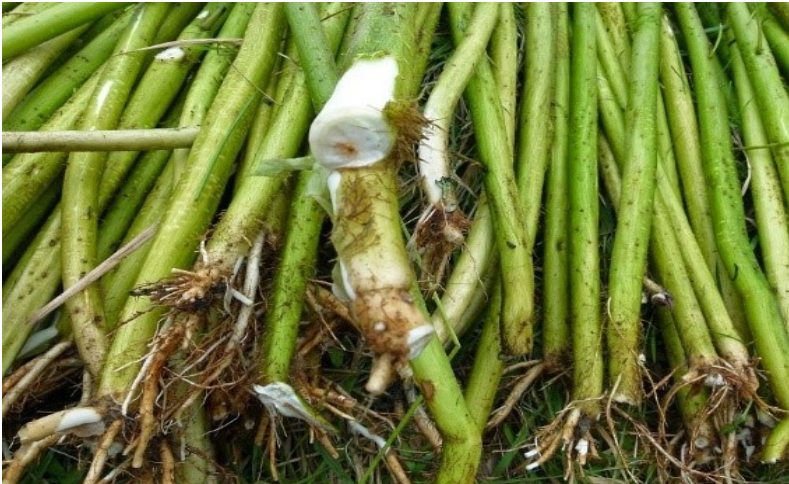
Shola is a plant that grows abundantly in marshy, waterlogged areas — especially across Bengal, Odisha, and Assam. Scientifically known as Aeschynomene aspera, it’s a milky-white, spongey plant that thrives in wetlands and riverbanks.
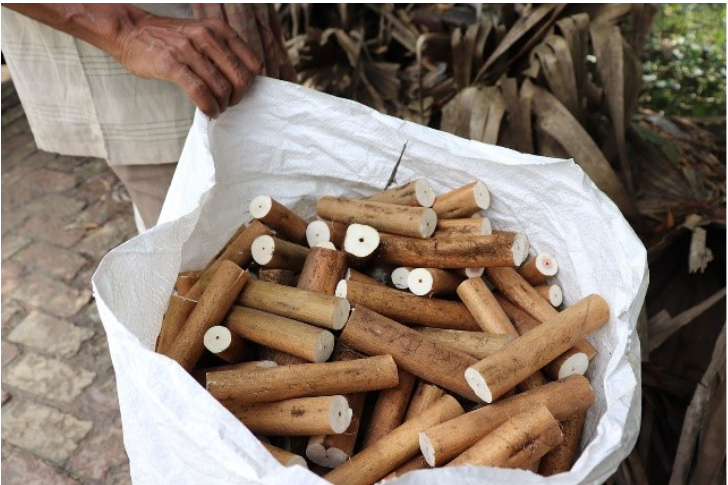
When harvested, the plant’s soft inner core is carefully dried and transformed into a material that feels like a feather-light, natural sponge. This dried portion is what artisans use to carve intricate designs — giving birth to an art form that is both fragile and enduring.
A Glimpse into Its Origins
Historically, tribal communities and rural artisans were among the first to discover the plant’s potential. Interestingly, before it became a crafting material, the soft inner part of the Shola was even cooked and eaten by tribal people, much like a vegetable.
Over time, as the artistic traditions of Bengal evolved, the Shola plant found new purpose. Artisans realized that once the plant’s base was sun-dried to remove moisture and algae, the material became ideal for delicate carving and molding. Its lightness, flexibility, and pristine white color made it perfect for religious, decorative, and ceremonial creations.
The Crafting Process: From Plant to Art
The journey of Shola from marsh to masterpiece is a blend of patience, precision, and tradition.
Harvesting: The Shola plant is carefully cut from marshy lands, usually by hand.
Drying: The lower portion of the plant — which contains moisture and algae — is dried in the sunlight to purify it and prepare it for use.
Cutting and Shaping: Once dried, artisans use simple tools like a metal cutter or knife (locally called khat) to carve designs into the pith.
Crafting: Skilled hands transform the soft bark into intricate ornaments, wedding headpieces, floral designs, and religious artifacts.
This entire process is eco-friendly, sustainable, and deeply connected to rural livelihoods across eastern India.
Characteristics of Shola
What makes Shola such a beloved material among artisans?
🌾 Lightweight: Extremely light, making it easy to handle and ideal for intricate designs.
🌱 Eco-friendly: 100% natural, biodegradable, and renewable — a sustainable alternative to synthetic materials.
🕊️ Ivory White: Naturally milky-white, giving it a divine, pure appearance that symbolizes peace and auspiciousness.
💧 Soft and Flexible: Can be easily carved, bent, or molded without breaking.
🌿 Grows in Wetlands: Commonly found in waterlogged areas, especially in Bengal, Odisha, and Assam.
Its natural whiteness and softness make Shola the perfect canvas for creativity — often painted, gilded, or dyed to create stunning decorative pieces.
Traditional and Modern Uses of Shola
1. Wedding Adornments: The Topor and Mukut
Perhaps the most iconic use of Shola is in crafting the Topor (the groom’s traditional crown) and Mukut (the bride’s headpiece) in Bengali Hindu weddings. These lightweight crowns are intricately designed and symbolize purity, prosperity, and spiritual protection for the newlyweds.
2. Festive Decorations
During festivals like Durga Puja, Shola is used to make ornaments for idols, backdrops, and temple décor. Its pure white tone beautifully complements the vibrant colors of Bengali celebrations.
3. Religious and Ritual Items
From Vaishnav decorations to offerings in temples, Shola plays a vital role in spiritual life. Its divine hue and organic texture make it ideal for crafting ritualistic items that are both artistic and sacred.
4. Decorative and Artistic Creations
In modern times, Shola has found new life in home décor, wall art, and handcrafted souvenirs. Artists experiment with contemporary designs, creating sustainable decorative items that appeal to both traditional and global audiences.
The Tools of the Trade: Simplicity Meets Skill
Unlike industrial crafts, Shola art requires minimal tools — but tremendous skill. Artisans traditionally use:
A metal cutter or sharp knife (khat) for slicing and carving the delicate material.
Simple molds and templates for repetitive floral or geometric patterns.
Every creation is a handcrafted masterpiece, shaped entirely by the artisan’s vision, precision, and patience.
The Mark of Quality
The best quality Shola is identified by its:
Pure white color
Smooth surface
Soft, even texture of the bark
These qualities determine the durability and elegance of the final product. Brands and artisan collectives like Shola Ghar continue to preserve this heritage, ensuring customers receive authentic, high-quality handcrafted pieces that celebrate Bengal’s rich artistic legacy.
Conclusion
The story of Shola is one of nature, tradition, and artistry intertwined. What began as a humble marsh plant has become a symbol of Bengali creativity, spirituality, and sustainability. Whether it’s the sacred wedding Topor, the grandeur of Durga idols, or intricate home décor, Shola connects people to their roots while promoting eco-conscious craftsmanship.
In a world increasingly turning toward sustainable living, Shola stands as a shining example of how nature and culture can coexist beautifully — a soft white whisper of Bengal’s timeless elegance.